
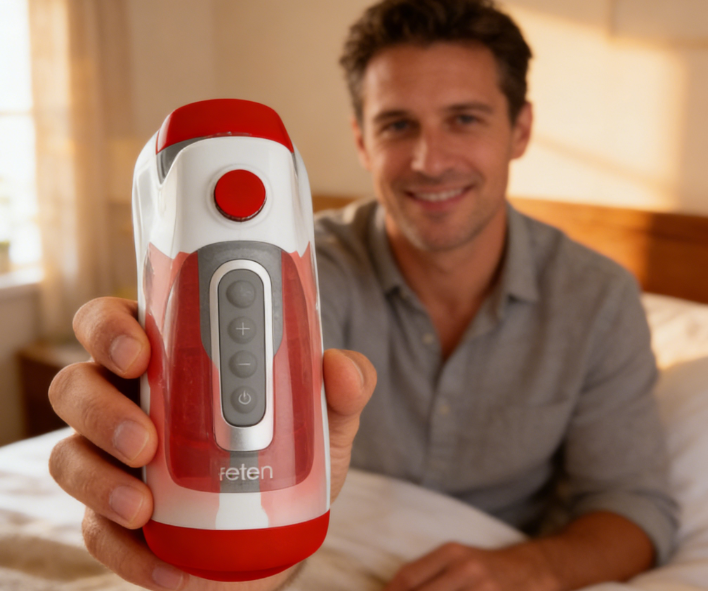
TPE vs silicone masturbators differ in texture (TPE softer/realistic, silicone firmer/smoother), safety (silicone non-porous/hypoallergenic, TPE needs phthalate-free check), and durability (silicone longer-lasting).
Key differences: TPE is affordable, skin-like but porous (high maintenance); silicone is durable, non-porous (easy to clean) but pricier, with a firmer texture.
Choose TPE for budget-friendly, realistic feel; silicone for safety, durability, and low maintenance—silicone suits long-term use, TPE for casual/budget needs.
When it comes to choosing a masturbator, the material is one of the most critical factors that directly impacts your experience, safety, and long-term use. Among the most popular materials on the market are TPE (Thermoplastic Elastomer) and silicone. While both are widely used for their flexibility and body-safe properties, they differ significantly in texture, durability, safety, maintenance, and overall performance. This comprehensive guide will break down the key differences between TPE and silicone masturbators, helping you make an informed decision that aligns with your needs and preferences.
1. Material Composition & Core Properties
To understand the differences, it’s first essential to grasp what each material is. Silicone is a synthetic polymer known for its inert, non-porous nature. It’s created through a chemical reaction between silicon, oxygen, and other elements, resulting in a material that’s heat-resistant, flexible, and highly stable. On the other hand, TPE is a blend of plastic and rubber, designed to combine the flexibility of rubber with the processability of plastic. It’s a thermoplastic material, meaning it can be melted and reshaped multiple times, which influences its cost and manufacturing versatility. The core property that sets them apart is porosity. Silicone is non-porous, meaning it has no tiny pores or gaps where bacteria, mold, or fluids can seep in. TPE, by contrast, is porous—its molecular structure contains small openings that can trap moisture and microbes if not properly cleaned. This porosity has a direct impact on both safety and maintenance, which we’ll explore in detail later.
2. Texture & Sensory Experience
For many users, the sensory experience is the top priority, and here TPE and silicone offer distinct feels. TPE is renowned for its soft, lifelike texture that closely mimics human skin. It has a slight “give” when pressed, and its flexibility allows for a more natural, snug fit during use. This softness makes TPE masturbators particularly popular among those seeking a realistic sensation, as it can conform to different shapes and provide a more immersive experience. Silicone, while still flexible, tends to be firmer than TPE. It has a smoother, slightly slicker texture that some users describe as “synthetic” compared to TPE’s skin-like feel. However, high-quality silicone can be formulated to be softer, narrowing the gap in realism. One advantage of silicone’s texture is that it glides more easily with lubricant, reducing friction and making for a smoother experience—though this also depends on the type of lube used (more on that later).
3. Safety & Body Compatibility
Safety is non-negotiable when it comes to intimate products, and both TPE and silicone are considered body-safe when made to high standards—but there are caveats. Medical-grade silicone is the gold standard for safety: it’s hypoallergenic, non-toxic, and does not leach harmful chemicals into the body. Its non-porous nature also means it’s resistant to bacterial growth, making it a safer option for long-term use, especially for those with sensitive skin or allergies. TPE is also body-safe when manufactured with food-grade or medical-grade materials, but it’s crucial to choose products from reputable brands. Low-quality TPE may contain phthalates—harmful plasticizers used to soften the material—which can leach out and cause skin irritation or other health risks. Additionally, TPE’s porosity means it requires more rigorous cleaning to prevent bacterial buildup, which can lead to infections if neglected. Users with sensitive skin should exercise extra caution with TPE and opt for certified phthalate-free products.

4. Durability & Longevity
When it comes to durability, silicone has a clear edge. Its stable molecular structure makes it resistant to tearing, stretching, and degradation over time. A high-quality silicone masturbator, when properly maintained, can last for years without losing its shape or texture. It’s also resistant to heat and most chemicals, making it less likely to break down from cleaning products or storage. TPE, while flexible, is less durable than silicone. It’s more prone to tearing, especially if used with rough handling or incompatible lubricants (such as oil-based lubes, which can break down TPE). Over time, TPE may also become sticky or lose its softness, requiring replacement sooner than a silicone counterpart. On average, a TPE masturbator will last 6–12 months with regular use, while a silicone one can last 2–5 years or longer.
5. Maintenance & Cleaning Requirements
The maintenance needs of TPE and silicone masturbators are vastly different, largely due to their porosity. Silicone’s non-porous surface makes cleaning simple: you can wash it with warm water and mild soap, or use a dedicated sex toy cleaner. It can also be boiled or sanitized in the dishwasher (if heat-safe) for thorough disinfection, which is ideal for users who prioritize hygiene. Additionally, silicone is compatible with all types of lubricants, including water-based, silicone-based, and oil-based. TPE requires more careful maintenance. Its porous nature means it cannot be fully sanitized—even with thorough cleaning, some bacteria may remain trapped in the pores. To clean TPE, use warm water and mild soap, and avoid harsh chemicals or alcohol-based cleaners, which can damage the material. It’s also critical to use only water-based lubricants with TPE; oil-based or silicone-based lubes will break down the material, causing it to degrade or become sticky. After cleaning, TPE must be thoroughly dried (using a clean towel or air-drying) to prevent mold growth, and stored in a cool, dry place away from other toys to avoid material transfer.
6. Cost Considerations
Cost is another key difference between TPE and silicone masturbators. TPE is a more affordable material to manufacture, so TPE masturbators are generally cheaper than silicone ones. You can find high-quality TPE masturbators for $20–$50, making them a great option for budget-conscious users or those who want to try different styles without investing too much. Silicone masturbators, by contrast, are more expensive, with prices ranging from $50–$150 or more for premium models. The higher cost is due to the quality of the material (especially medical-grade silicone) and the more complex manufacturing process. While the upfront cost is higher, the longer lifespan of silicone means it may be more cost-effective in the long run compared to replacing TPE toys regularly.
7. Which Should You Choose?
The choice between TPE and silicone ultimately comes down to your priorities. If you’re seeking a realistic, soft texture and are on a budget, a TPE masturbator may be the right choice—just be prepared to invest in regular cleaning and replacement. If safety, durability, and low maintenance are your top concerns, a silicone masturbator is worth the higher upfront cost, especially if you plan to use it long-term. For users with sensitive skin or allergies, medical-grade silicone is the safest option, as it’s hypoallergenic and less likely to cause irritation.
Is TPE or silicone safer for sensitive skin?
Silicone (medical-grade) is safer, non-porous/hypoallergenic; TPE needs phthalate-free certification to avoid irritation.
Can I use oil-based lube with TPE/silicone?
No for TPE (damages material); yes for silicone—only water-based for TPE.
Can I use alcohol to clean silicone sex toys?
No, alcohol is harsh and can degrade silicone, cause skin irritation, and create crevices for bacteria to hide.


Allen
Allen is a company executive. One day, he looked at the masturbation cups all over the room, so he decided to start selling sex toys and write about his experiences.