
Table of contents
Enhances Erection by Restricting Blood Flow
A cock ring works by slowing blood from leaving the penis, which can make erections feel firmer and sensations more intense.
Proper Fit and Time Limits Are Critical
Choosing the right size and avoiding extended wear (generally no more than 20–30 minutes) are essential to prevent numbness, bruising, or circulation issues.
Safety Depends on Material and Comfort
Beginners should opt for stretchy materials like silicone, which allow quick removal and safer pressure control compared to rigid metal rings.
1. Choose the Right Cock Ring: Material, Size, and Design
The foundation of safe use starts with selecting an appropriate cock ring. Poorly chosen rings increase the risk of injury, so prioritize the following factors:
1.1 Material Matters
Opt for body-safe, non-porous materials to avoid irritation, allergic reactions, or bacterial infections. Recommended materials include:
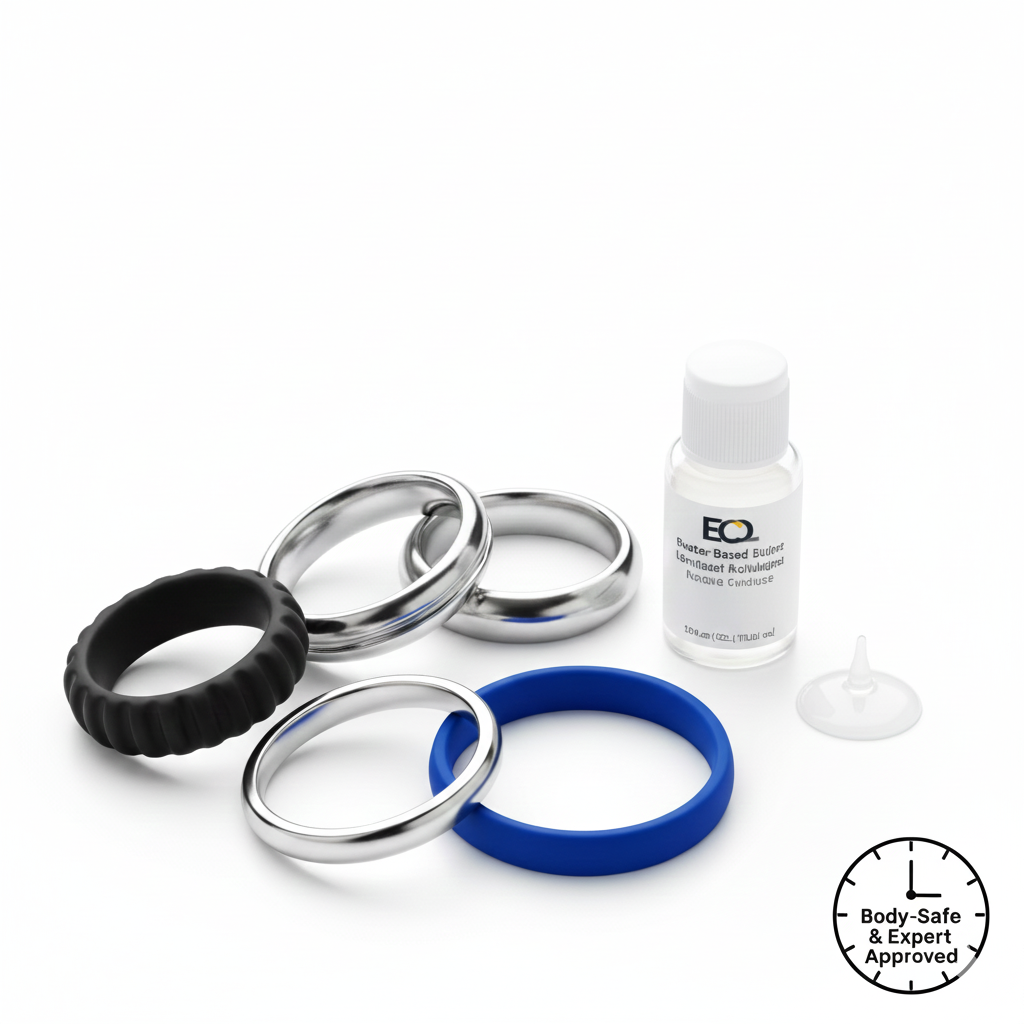
- Silicone: Flexible, hypoallergenic, and easy to clean—ideal for beginners. Avoid low-quality silicone that may contain harmful chemicals (look for medical-grade or body-safe silicone labels).
- Titanium/Stainless Steel: Durable, non-porous, and easy to sanitize. These are better for experienced users, as they are less flexible.
- Rubber/Latex: Affordable but may cause allergies (avoid if you have latex sensitivity). Ensure it is high-quality and not porous.
Avoid porous materials like leather, porous rubber, or vinyl, as they trap bacteria and are difficult to disinfect, increasing infection risk.
1.2 Get the Correct Size
Size is critical—too tight, and it restricts blood flow excessively; too loose, and it won’t stay in place or provide desired effects. Follow these tips to find the right fit:
- Measure First: Measure the circumference of your flaccid penis (or erect penis, depending on the ring’s intended use) using a soft measuring tape. Leave a small gap (about 1 finger’s width) to ensure adequate blood flow.
- Start Flexible: Beginners should choose flexible silicone rings, which are more forgiving if slightly mis-sized. Avoid rigid metal rings until you know your exact size.
- Avoid "One-Size-Fits-All" Risks: Generic rings may not fit your anatomy. If the ring leaves deep indentations, causes immediate numbness, or is impossible to remove without force, it’s too small.
1.3 Prioritize Adjustable or Removable Designs
For safety, choose rings with adjustable features (e.g., Velcro, snap closures) or stretchy materials that can be easily removed. Avoid solid, non-stretchy rings (e.g., some metal or hard plastic designs) unless you are experienced and confident in your size—these pose higher risks of entrapment.
2. Proper Usage Techniques
Even with the right ring, incorrect application or use can lead to injury. Follow these steps for safe use:
2.1 Apply When Flaccid or Semi-Erect
Slide the ring onto your flaccid or semi-erect penis—applying it to a fully erect penis is difficult and increases the risk of stretching or damaging tissue. For rings intended to cover the testicles (double rings), gently guide the testicles through the ring first, then slide the ring up to the base of the penis.
2.2 Set a Time Limit
The most important safety rule: Do not wear a cock ring for more than 20-30 minutes at a time. Prolonged use restricts blood flow, leading to tissue hypoxia (lack of oxygen), which can cause permanent nerve damage, tissue necrosis, or priapism (a painful, prolonged erection that requires emergency medical attention). Set a timer to remind yourself to remove the ring.
2.3 Monitor Sensation and Appearance
While wearing the ring, stay alert to any warning signs. If you experience any of the following, remove the ring immediately:
- Numbness, tingling, or loss of sensation
- Severe pain or discomfort
- Discoloration (blue, purple, or dark red skin)
- Swelling that worsens over time
A slight tightness is normal, but any intense or persistent discomfort is a red flag.
2.4 Remove Promptly After Use
After sexual activity or when your timer goes off, remove the ring immediately. For flexible rings, gently stretch the material and slide it off. For rigid rings, use a water-based lubricant to ease removal (avoid oil-based lubricants with silicone rings, as they can degrade the material).

3. Lubricant Use: Choose Wisely
Lubricant can make application and removal easier, but the wrong type can damage the ring or irritate skin:
- Silicone Rings: Use water-based or hybrid lubricants. Avoid oil-based lubricants (e.g., coconut oil, petroleum jelly) or silicone-based lubricants, as they break down silicone over time.
- Metal/Glass Rings: Compatible with all lubricant types (water-based, silicone-based, oil-based).
- Latex Rings: Use water-based lubricants. Oil-based lubricants degrade latex, increasing the risk of tearing.
4. Post-Use Care and Hygiene
Proper cleaning and care prevent infections and extend the life of your cock ring:
- Clean Immediately After Use: Wash the ring with warm water and mild, fragrance-free soap. For silicone or metal rings, you can also use a sex toy cleaner. Avoid harsh chemicals (e.g., bleach, alcohol) that can damage materials or irritate skin.
- Dry Thoroughly: Pat the ring dry with a clean towel before storing to prevent mold or bacteria growth.
- Store Properly: Keep the ring in a clean, dry container (e.g., a cloth bag or plastic storage box) away from direct sunlight and extreme temperatures. Avoid storing multiple toys together if they are made of different materials (e.g., silicone and rubber), as they can react and degrade.
5. Avoid Use If You Have These Conditions
Cock rings are not safe for everyone. Do not use one if you have any of the following health conditions:
- Heart disease, high blood pressure, or circulatory disorders (poor blood flow increases injury risk).
- Diabetes (diabetic neuropathy can reduce sensation, making it harder to detect warning signs; poor circulation also increases tissue damage risk).
- Blood clotting disorders or a history of blood clots.
- Priapism (a history of prolonged erections).
- Skin conditions (e.g., eczema, psoriasis) or open wounds on the penis or testicles.
If you are taking medications that affect blood flow (e.g., blood thinners, erectile dysfunction drugs like Viagra/Cialis), consult a doctor before using a cock ring—these medications may increase the risk of priapism or bleeding.
6. Emergency Situations: What to Do
If you cannot remove the ring, or if you experience priapism (erection lasting more than 4 hours, even after sexual activity)、 severe pain、 or discoloration, seek emergency medical attention immediately. Do not attempt to cut the ring with sharp objects (e.g., scissors, knives)—this can cause lacerations. Hospitals have specialized tools to remove stuck rings safely. By following these guidelines, you can minimize risks and enjoy the potential benefits of a cock ring while protecting your penis health.
1. How long is it safe to wear a cock ring?
Most experts recommend wearing a cock ring for no more than 20–30 minutes at a time. Remove it immediately if you feel pain, numbness, or discoloration.
2. What type of cock ring is best for beginners?
Soft, flexible materials like silicone or rubber are ideal for beginners because they stretch easily and can be removed quickly in case of discomfort.
3. Can I use a cock ring if I have erectile dysfunction?
Some people with mild ED may find cock rings helpful, but they should not replace medical treatment. If ED is persistent, consult a healthcare professional to rule out underlying conditions.


Allen
Allen is a company executive. One day, he looked at the masturbation cups all over the room, so he decided to start selling sex toys and write about his experiences.
1 comment
Scott Leppo
I’m curious if you’re looking for “toy testers” for new or current products. I was a Mystery Shopper for several companies, received Gold status for detailed reports and was honest about my evaluations. I am a retired veteran a respect business growth.